 The Granger Music Hall: From Gilded Glory to Hopeful Renewal
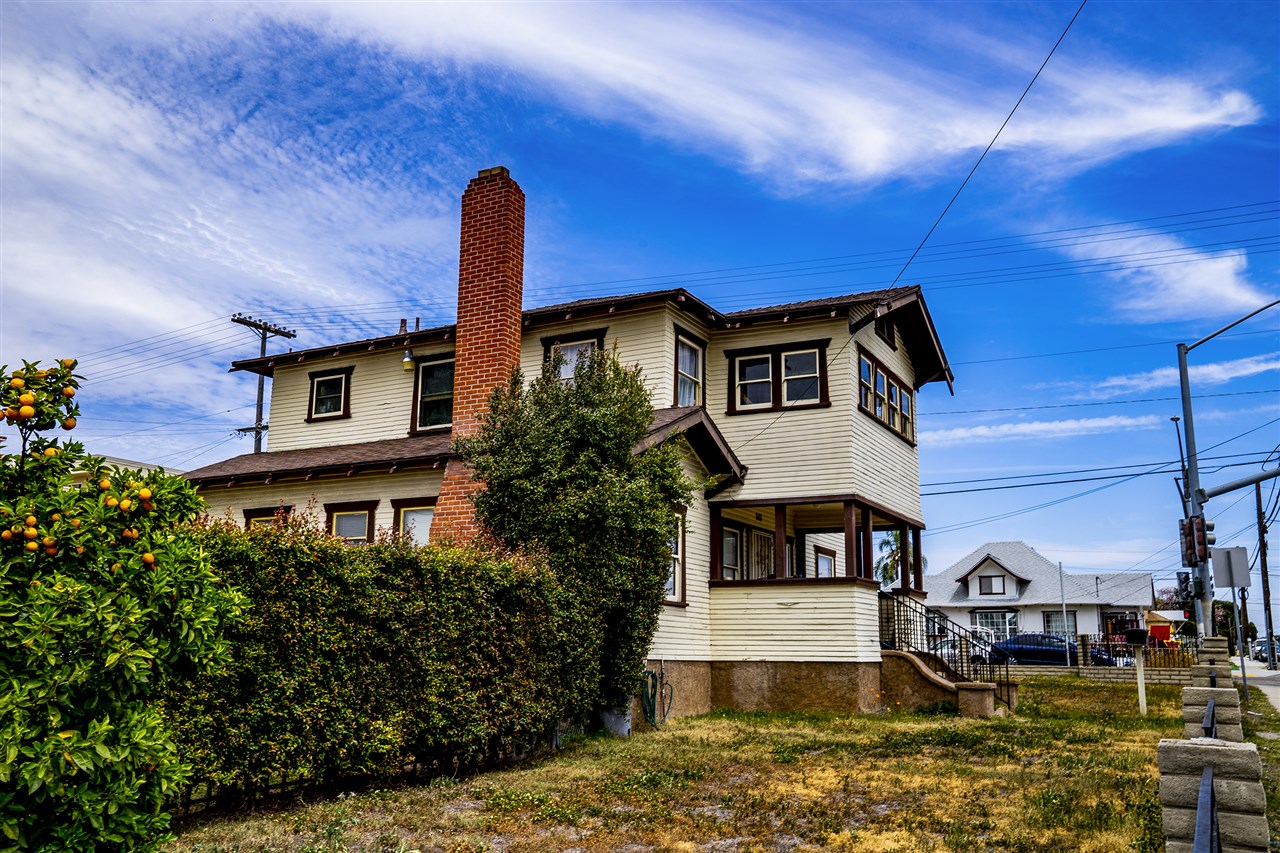
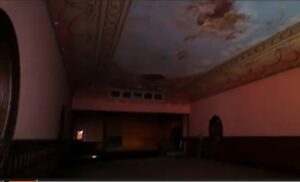
In the final years of the 19th century, Ralph Granger, a wealthy silver magnate with a deep love for music, decided that his growing collection of fine instruments deserved a setting as grand as their sound. He commissioned visionary architect Irving J. Gill to design a hall that would marry art and acoustics. In 1898 Granger Music Hall rose beside Granger’s mansion on East 8th Street — a temple to harmony, crafted of redwood and artistry.
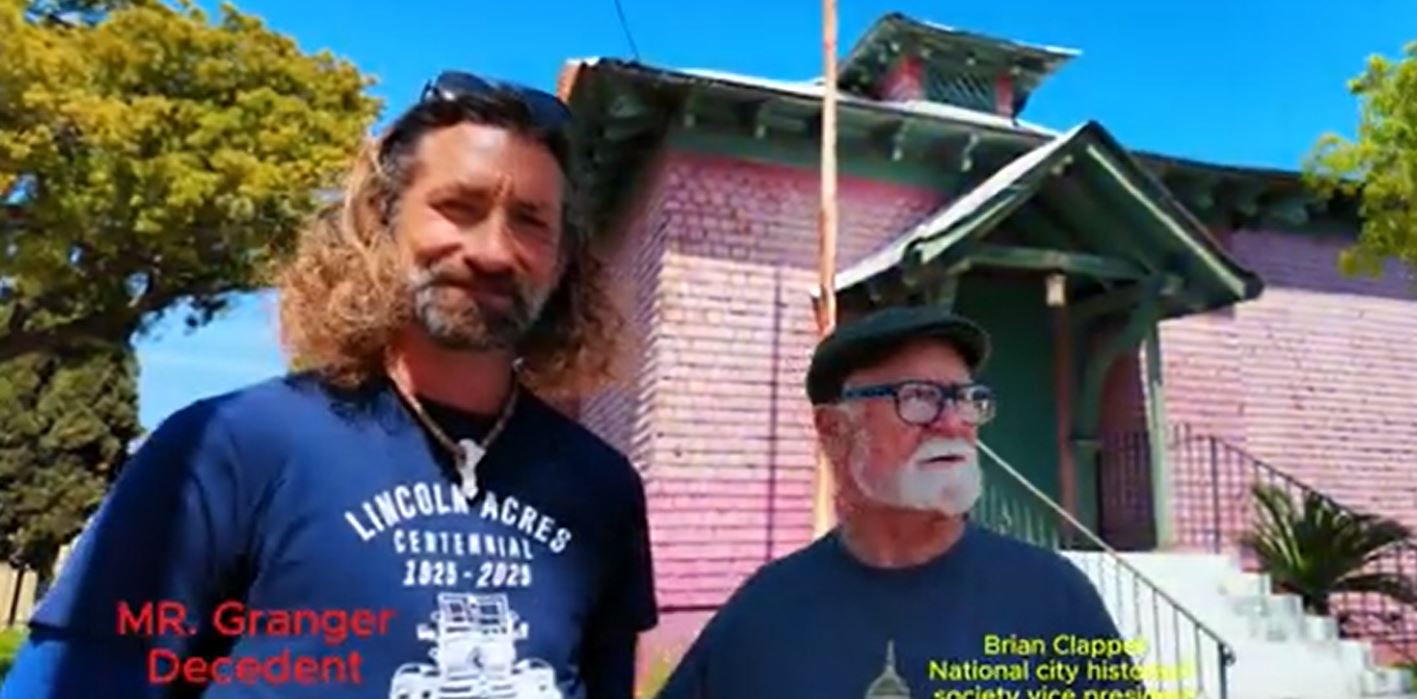
For decades, the hall was filled with Ralph Granger’s private recitals and chamber concerts. But by 1969, the land was sold for apartments, and the hall faced demolition. The National City Historical Society was given this landmark, carefully moving it — in two massive sections — from East 8th Street to its current home at 1615 East 4th Street. Mayor Waters leased us the land for $1.00 per year. There, the Granger Music Hall once again came alive, hosting weddings, quinceañeras, and community events that filled its walls with joy and celebration for 39 years.
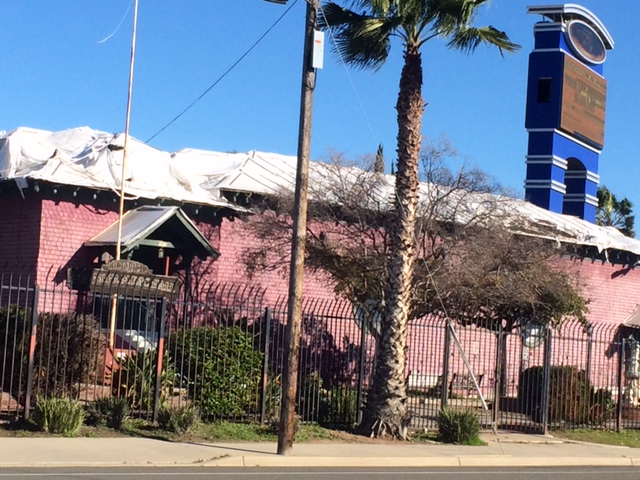
In 2008, the hall was closed after roof repairs were deemed necessary. The City proposed purchasing the property for $10 and relocating it to the Port, with plans to reopen it for 13 NCHS sponsored events per year. Unfortunately, that move never took place, and the hall has remained closed ever since.
Now, after 17 years of silence, the National City Historic Society has come forward once again — with a renewed plan and a heartfelt request:
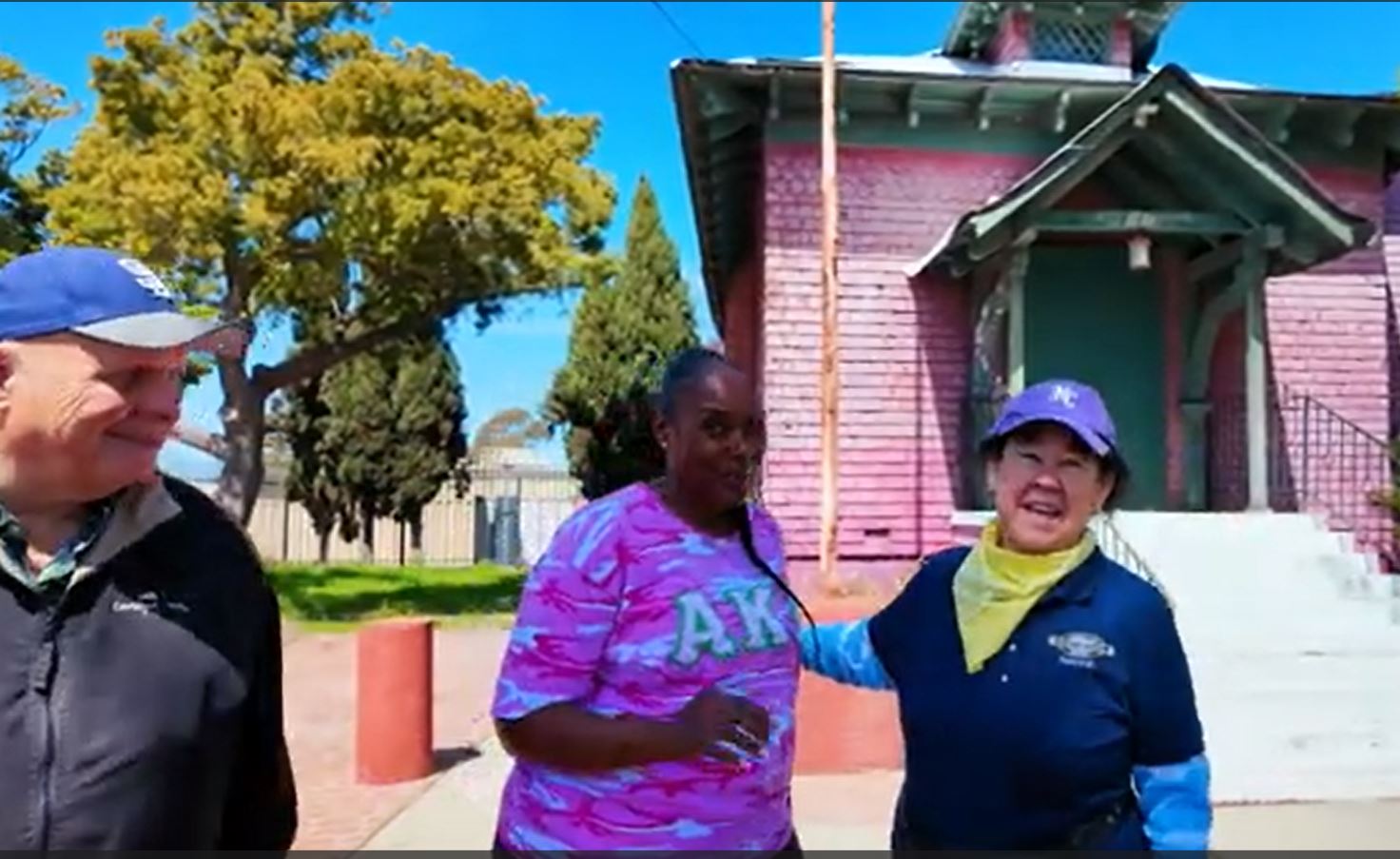
We are petitioning the City of National City for a lease to restore Granger Music Hall where it stands, at 1615 East 4th Street.
Our immediate goals include:
Installing a new electrical panel, Updating the bathrooms,
Making interior and exterior repairs to prepare the hall for public use once again.
This project is not just about preserving a building — it is about preserving our city’s soul. The Granger Music Hall is one of the finest surviving works of Irving J. Gill, and it was entered into The National Register of Historic Places in 1975. Its history, its artistry, and its role in our community are irreplaceable.
We ask the City Council, local historians and our citizens of National City to join us in this mission — to restore, protect, and reopen this remarkable cultural treasure. Let us once again fill its halls with music, laughter, and the sound of community coming together.
Let’s bring the music back!